
large led vanity mirror
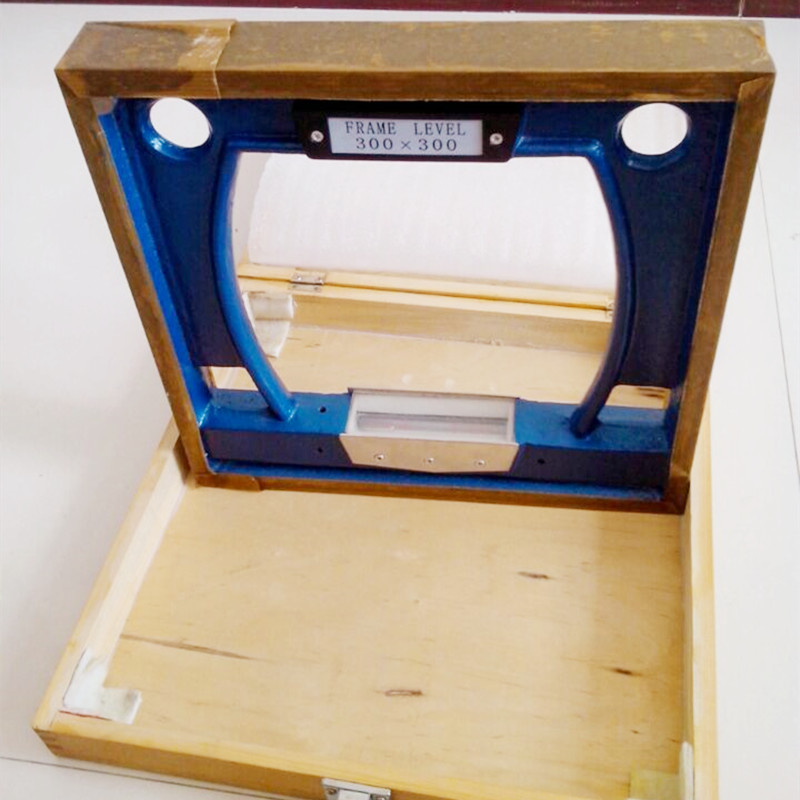
Understanding Precision Frame Level in Data Analysis In the realm of data analysis, precision is a critical concept that significantly influences the quality of insights derived from datasets. Among various analytical frameworks, precision frame level has emerged as a vital measure for determining accuracy and reliability in data-driven decisions. This article delves into the intricacies of precision frame level, highlighting its importance, applications, and implications in contemporary data analysis. Defining Precision Frame Level At its core, precision frame level refers to the accuracy of a set of data points within a specific frame or context. It reflects how closely a given dataset approximates the true values of the parameters being measured. This level of precision is crucial for analysts who rely on data to make informed decisions, as it directly impacts the credibility of the results obtained. In a statistical sense, precision can be quantified using various metrics, including confidence intervals, p-values, and standard deviations, each providing insight into the robustness of the data. Importance of Precision in Data Analysis Precision is fundamental for two main reasons reliability and trust. Firstly, data-driven decisions are often premised on the assumption that the information being analyzed is accurate. High precision ensures that analysts can rely on the data, leading to more sound conclusions. For example, in fields such as healthcare, financial forecasting, or machine learning, even minor discrepancies can result in significant consequences, such as misdiagnoses or erroneous financial predictions. Secondly, the level of precision affecting stakeholder trust cannot be overstated. When organizations present findings based on imprecise data, they risk losing credibility. This is particularly critical in industries like pharmaceuticals, where the efficacy of a drug must be supported by precise data to gain regulatory approval. Applications of Precision Frame Level precision frame level Precision frame level is applicable across numerous fields, including social sciences, engineering, and marketing. In social sciences, researchers employing surveys must focus on refining their questions to ensure high precision in the responses collected, thereby guaranteeing that the analysis closely mirrors public sentiment or behavior. In engineering, precision frame level becomes vital when designing systems that require exact measurements, such as aerospace components or medical devices. The reliability of these systems hinges on the precision of their design data. In the marketing domain, companies increasingly depend on consumer data analytics to tailor their strategies. By ensuring high precision in their data collection and analysis processes, they can create more effective and targeted marketing campaigns, ultimately enhancing consumer engagement and satisfaction. Challenges to Achieving High Precision Despite its importance, achieving high precision frame levels is not without challenges. Sampling errors, biases in data collection, and computational limitations can all undermine the precision of data. Moreover, the more complex the data, the harder it becomes to maintain a high level of precision. This necessitates a multi-faceted approach to data management that includes careful study design, robust statistical methods, and continual data validation. Conclusion In summary, precision frame level is a pivotal measure in data analysis that dictates the reliability of insights derived from datasets. By understanding its significance and striving for precision, analysts can enhance the quality of their findings, boost stakeholder confidence, and drive informed decision-making. As the volume of data continues to grow, so too does the importance of precision, making it a cornerstone of effective data analysis practices. Emphasizing accuracy and reliability will shape the future of data-driven decision-making in a world increasingly reliant on precise information.
about
large led vanity mirror
Understanding the 8% Butterfly Valve in Industrial Applications The butterfly valve is a crucial component in various industrial applications, and the 8% butterfly valve is particularly notable for its efficiency and functionality. This type of valve is primarily used for regulating flow, making it a key element in processes that require precise control over fluid movement. What is a Butterfly Valve? A butterfly valve is a flow control device consisting of a disk attached to a rotating shaft. The disk is positioned in the center of the pipe, and when the valve is opened, the disk rotates to a parallel position to allow fluid to flow through. Conversely, when the valve is closed, the disk turns perpendicular to the flow direction, obstructing it. The design of the butterfly valve makes it an attractive option for many applications due to its lightweight structure and ease of operation. The 8% Butterfly Valve Explained The term 8% butterfly valve generally refers to a specific design aspect or operational capability of a butterfly valve. It can indicate the flow capacity or the degree to which the valve opens. In many industrial processes, achieving precise flow control is essential, and the 8% reference often denotes the percentage of the valve's travel that effectively controls fluid flow. This means that when the valve is opened by 8%, it allows for a certain predefined flow rate, making it easier for engineers to design and optimize systems relying on this component. Benefits of Using the 8% Butterfly Valve 8 butterfly valve 1. Efficiency One of the primary advantages of the 8% butterfly valve is its efficiency in managing fluid flow. The ability to control flow in small increments enhances its effectiveness in applications where precision is paramount, such as in chemical processing or water treatment facilities. 2. Space-Saving Design Butterfly valves take up significantly less space than traditional gate or globe valves, making them ideal for applications where space is limited. Their compact design allows for easier installation and can lead to cost savings on piping systems. 3. Reduced Pressure Drop Compared to other valve types, butterfly valves typically offer a lower pressure drop when fully opened. This characteristic can lead to energy savings in pump operations, making them a popular choice in various fluid handling systems. 4. Durability Constructed from high-quality materials, 8% butterfly valves are built to last. They are resistant to wear and corrosion, making them suitable for a wide range of media, from water and steam to various chemicals. 5. Versatility These valves can be used in a multitude of applications, including HVAC systems, food processing, pharmaceuticals, and more. Their ability to handle different flow rates and pressures adds to their appeal across various industries. Conclusion The 8% butterfly valve represents an essential tool for engineers and operators who require reliable and precise flow control in their systems. Its efficiency, compact design, and durability make it a preferred choice in many applications. As industries continue to advance and seek ways to optimize their operations, the importance of such components will only grow. Understanding the operational features and advantages of the 8% butterfly valve can help in making informed decisions when designing or upgrading fluid handling systems. Embracing innovative technologies like the butterfly valve is not just a matter of choice but a strategic move towards enhanced operational efficiency and sustainability.
-

High quality industrial productsagement

High quality industrial products
View Details -

Meet the diverse needs of customers

Meet the diverse needs of customers
View Details -

Strict quality control

Strict quality control
View Details -

Top raw materials

Top raw materials
View Details -

Trusted supplier

Trusted supplier
View Details
Our application


news and information

Vanne à soupape flanquée 4 pouces pour applications industrielles et domestiques
Vanne à opercule de 4 pouces avec brides une solution fiable pour les systèmes de conduits Les vann

Valvola di ritegno della piscina
Valvole di Controllo per Piscine Importanza e Funzioni Le piscine sono una meravigliosa aggiunta a q
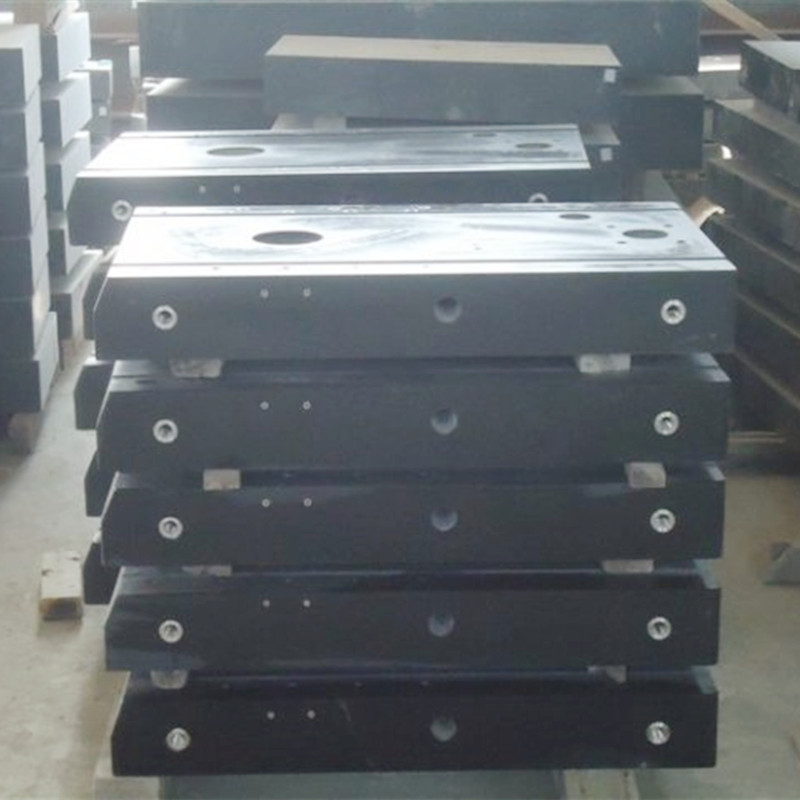
V-Block Designs for Efficient Machining Applications
V-Blocks for Machining An In-Depth Overview In the world of precision machining, the importance of e
 English